Self-esteem reflects how individuals perceive their own value, abilities, and identity. Low self-esteem can lead to self-doubt, negative thinking, and difficulty in relationships, work, and daily decision-making.
These patterns may develop over time due to past experiences, criticism, stress, or mental health challenges. Without proper support, low self-esteem can affect emotional well-being and overall quality of life.
Through professional guidance and structured support, individuals can develop healthier thought patterns, improve confidence, and build a more positive and balanced self-image.
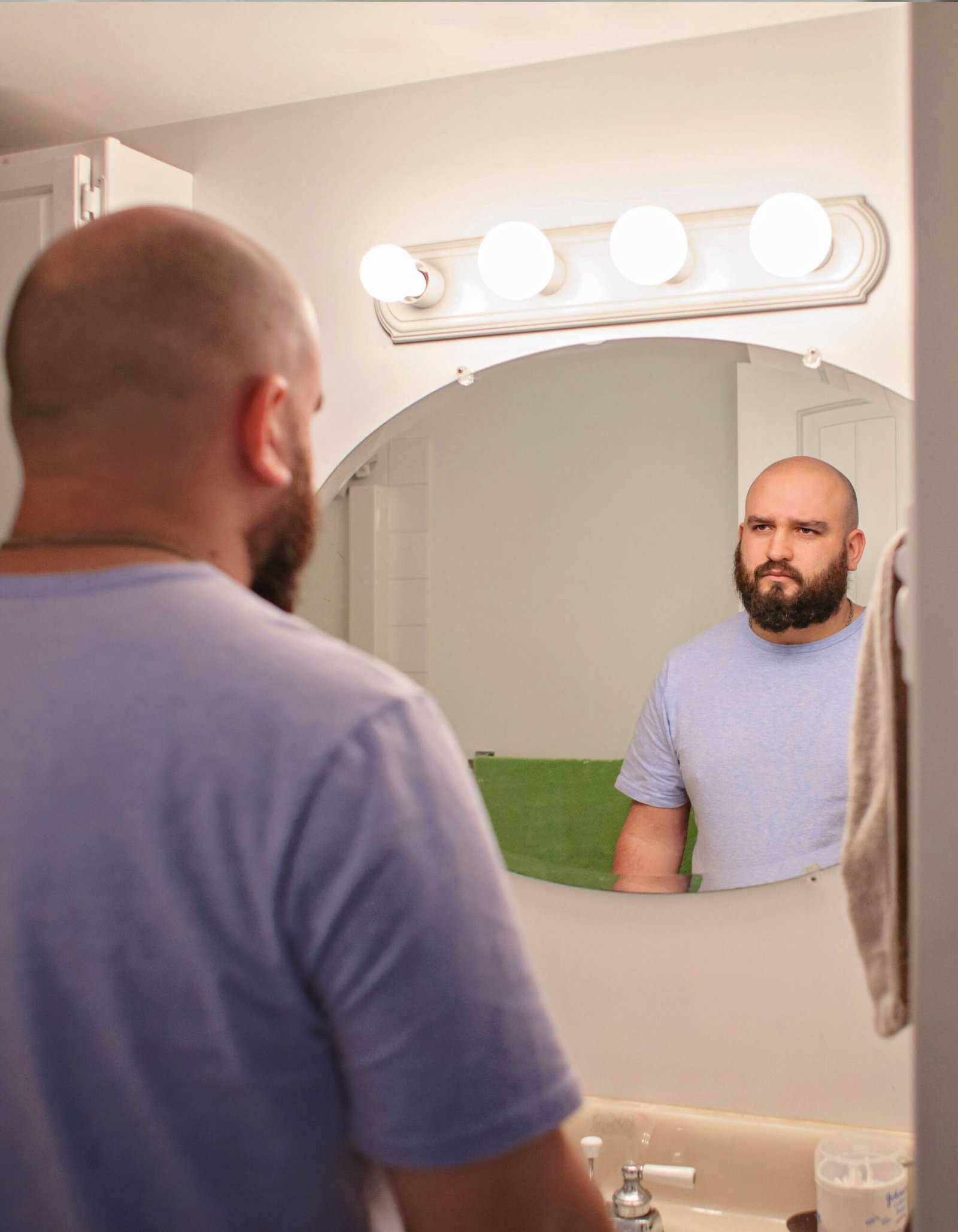
Understanding underlying patterns affecting confidence and self-perception.
Tailored approaches to build self-confidence and emotional strength.
Helping individuals reshape negative thinking patterns into healthier perspectives.
Continuous guidance to reinforce progress and maintain confidence over time.
Low self-esteem can affect thoughts, emotions, and behavior in various ways, often impacting personal and professional life.
Common signs may include:
Recognizing these patterns is the first step toward building a healthier self-image.
Self-esteem is shaped by a variety of life experiences and internal thought patterns that influence how individuals see themselves.
Contributing factors may include:
Improving self-esteem requires a supportive and structured approach that addresses both thought patterns and emotional well-being. Our practice provides professional guidance to help individuals build confidence, strengthen self-worth, and develop healthier perspectives.
We focus on personalized care, emotional growth, and long-term resilience in a safe and respectful environment.
Strategies tailored to individual needs and experiences.
Compassionate care focused on emotional well-being.
Tools to reshape negative thinking and build positive habits.
Helping individuals handle challenges with confidence.
Encouraging sustained improvement in self-image and mindset.
A safe space to explore personal challenges and growth.
Self-esteem refers to how individuals perceive their own worth, abilities, and value.
It can develop from negative experiences, criticism, social pressure, trauma, or ongoing stress.
Yes. With proper guidance and support, individuals can develop healthier thinking patterns and build confidence over time.
The timeline varies for each individual, but consistent support and effort can lead to gradual and lasting improvement.
Yes. All services are provided in a confidential and professional setting.
Supporting your mental health with care and integrity.
© 2026 Created with Happy Mind
